How Many Nanoplastics Are in Bottled Water?
Rotterdam, The Netherlands – 13th August 2026
Bottled water is often seen as a clean, convenient and reliable choice. But recent research suggests that what we cannot see may be just as important as what we can.
A 2024 study published in Proceedings of the National Academy of Sciences found that bottled water can contain far more plastic particles than previously thought. According to the study, one liter of bottled water contains an average of around 240,000 detectable plastic particles. About 90% of these particles were nanoplastics, meaning they were even smaller than the microplastics that have been the focus of many earlier studies.
What Are Nanoplastics?
Microplastics are tiny plastic particles smaller than 5 millimeters. Nanoplastics are even smaller: less than 1 micrometer in size. Because nanoplastics are so small, they are much harder to detect and measure. Many previous research methods were mainly able to identify larger microplastics, while the smallest particles remained largely invisible.
What Did the Study Find?
The study found that bottled water contained an average of around 240,000 detectable plastic particles per liter. The amount varied between samples, with reported levels ranging from around 110,000 to 370,000 particles per liter. Around 90% of these particles were nanoplastics.
This means that the majority of plastic particles found in the bottled water samples were not the larger microplastics often discussed in environmental research, but much smaller nanoplastics. According to the NIH, the total number of plastic particles detected was around 10 to 100 times higher than what earlier studies had reported, largely because previous studies mainly focused on larger particles.
This does not necessarily mean that bottled water suddenly contains more plastic than before. Instead, they show that newer technology is making it possible to detect smaller particles that were previously difficult to measure.
What Types of Plastic Were Found?
The researchers identified several types of plastic particles in the bottled water samples. In total, the study looked at seven specific types of plastic. This is important because it suggests that the particles may not come from one single source. Some particles may originate from the plastic bottle itself, especially PET, which is commonly used for beverage bottles. Other particles may come from the cap, production processes, filtration materials or the wider bottling environment.
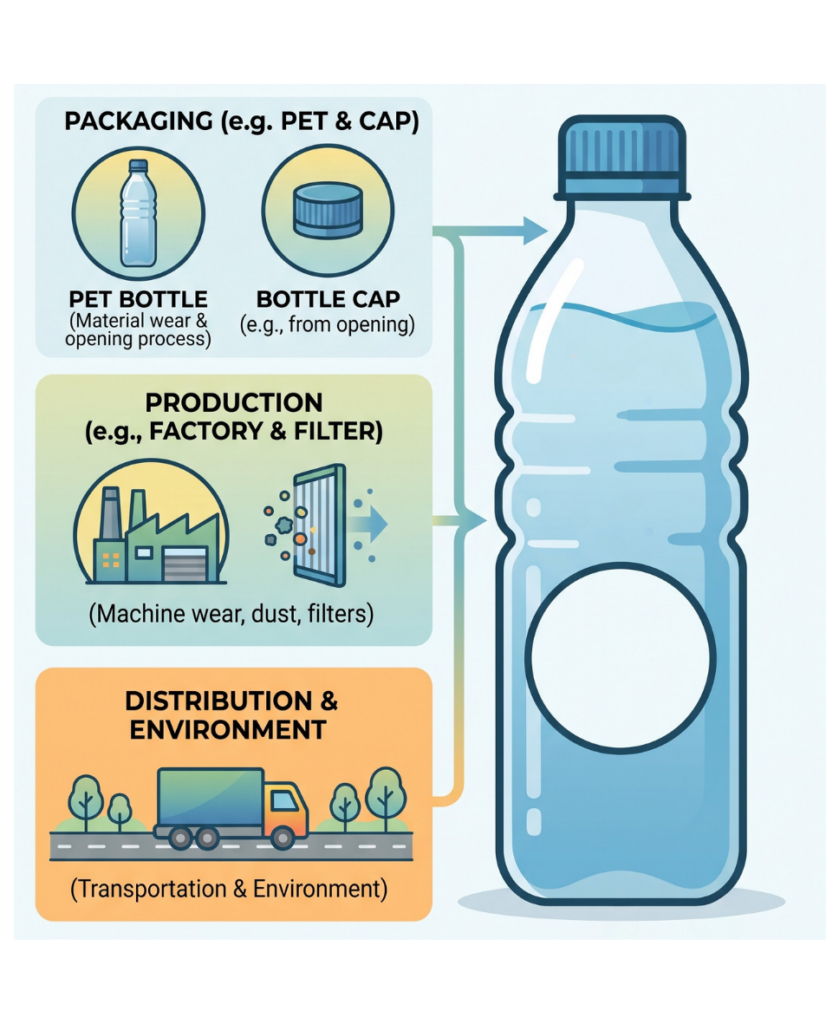
The researchers identified several types of plastic particles in the bottled water samples. In total, the study looked at seven specific types of plastic. This is important because it suggests that the particles may not come from one single source. Some particles may originate from the plastic bottle itself, especially PET, which is commonly used for beverage bottles. Other particles may come from the cap, production processes, filtration materials or the wider bottling environment.
So the issue is not only about the bottle as packaging. The entire production, packaging and distribution process can play a role in how plastic particles end up in bottled water.
Why Does This Matter?
The long-term health effects of consuming microplastics and nanoplastics are still being studied. The World Health Organization has stated that more research is needed to better understand exposure to microplastics and their potential impact on human health.
This means that the current research should not be presented as a reason to panic. However, it does show that there is still a lot we do not fully understand about plastic particles in drinking water.
What the study does make clear is that bottled water is not as simple as it may appear. Even when the water looks clean, it may contain particles that are at first invisible to the human eye.
The Bigger Picture: Bottled Water at Scale
The issue also becomes more significant when we look at the global scale of bottled water and plastic beverage consumption.
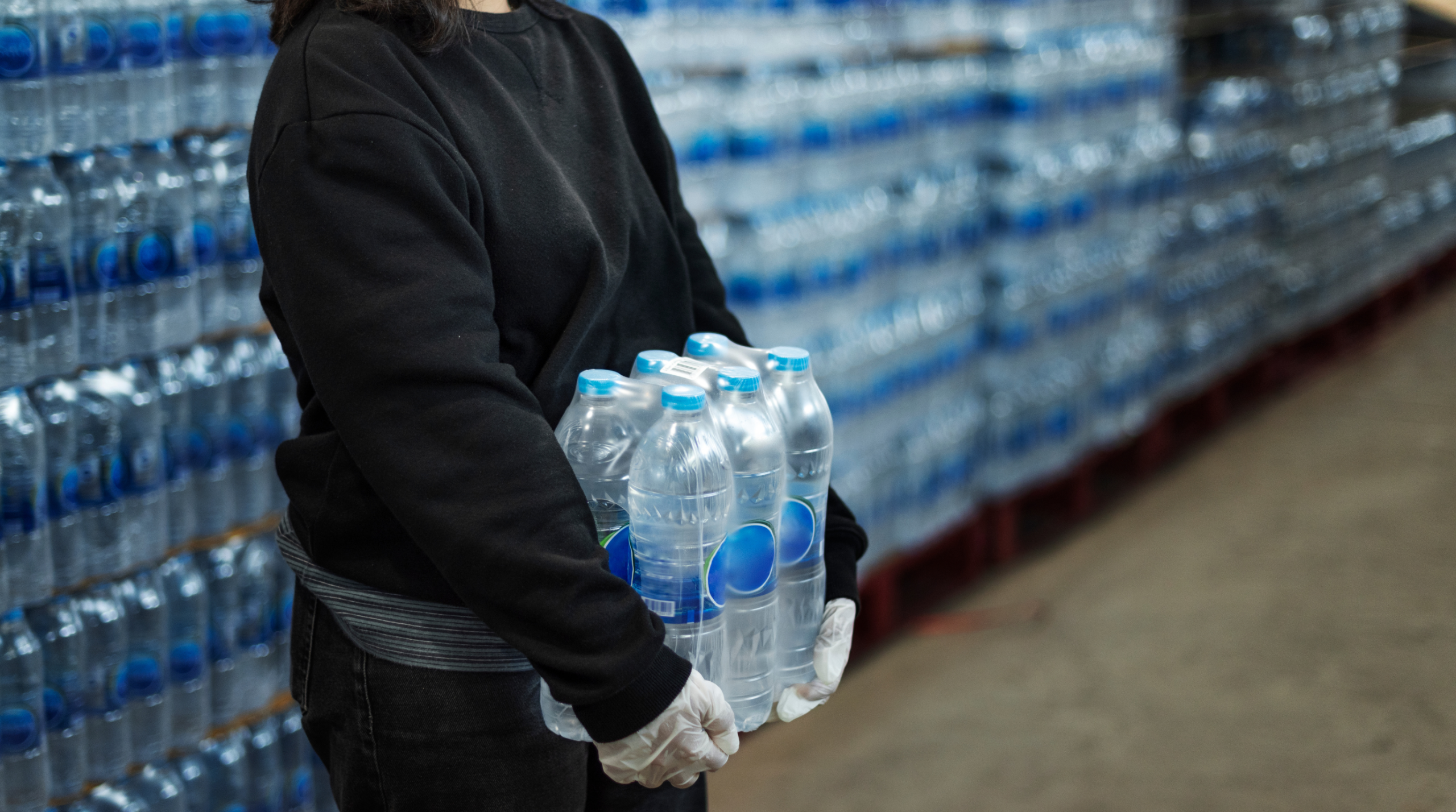
Around 1 million plastic beverage bottles are purchased every minute worldwide. This shows how quickly single-use plastic consumption adds up, especially when bottled water is used in large volumes across homes, hospitality, public spaces and tourist destinations.
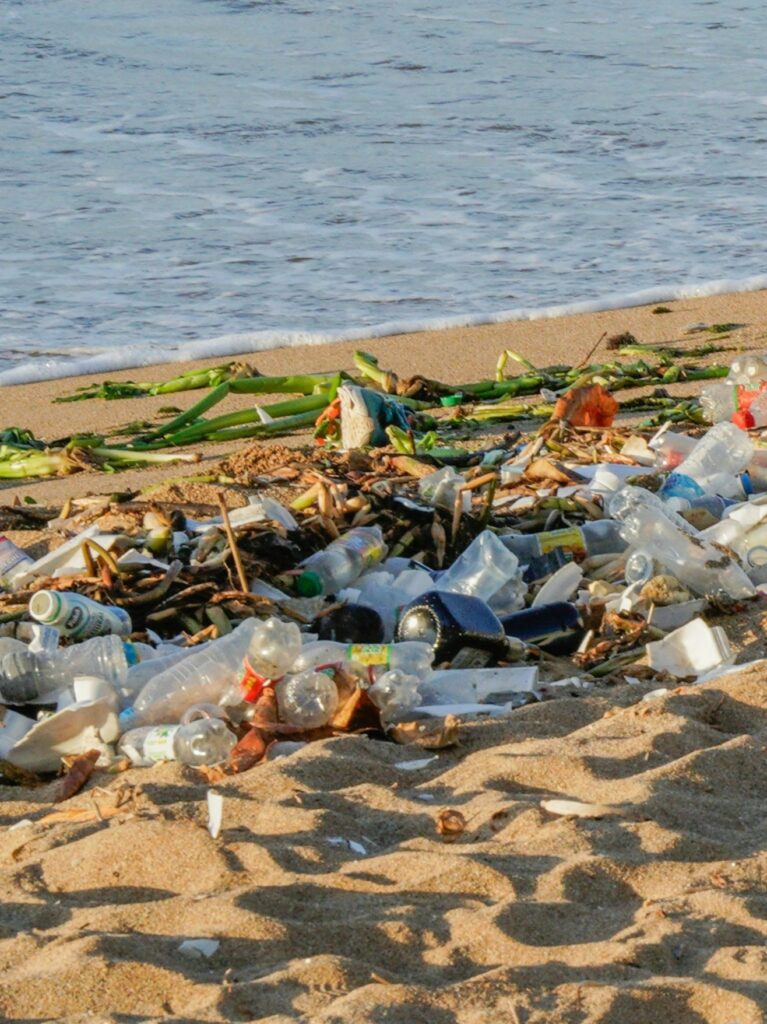
Plastic bottles are often discussed in terms of waste, recycling and pollution. These are still major concerns. But the presence of microplastics and nanoplastics adds another dimension to the conversation.
The impact of bottled water is not only visible after the bottle is thrown away. It can also be connected to the production process, the packaging materials, the transport chain and the particles that may be present inside the water itself.
Beyond Plastic Waste
For years, the conversation around plastic bottles has focused mainly on what happens after use: if bottles get recycled, or if they end up in landfills, rivers or oceans. These questions remain important. But recent research shows that the issue starts earlier.
If bottled water can contain hundreds of thousands of plastic particles per liter, then reducing reliance on single-use plastic bottles becomes relevant not only from a waste perspective, but also from a water quality and sustainability perspective.
This is especially important in sectors where bottled water is used at scale. Hotels, resorts, airports, events, workplaces and remote locations often rely on bottled water because it is convenient and easy to distribute. However, this convenience can come with hidden environmental impacts.
Toward Smarter Water Solutions
Safe and reliable drinking water is essential. In some situations, bottled water can still play an important role, especially where no safe alternative is available. But where alternatives are possible, it’s good to rethink the way drinking water is produced, packaged and supplied.
At Rainmaker Holland, we believe clean water should be made available in a smarter, more local and more sustainable way. Through technologies such as air-to-water generation, water-to-water systems and rainwater capturing, we help create additional local water sources and reduce dependence on traditional supply chains and single-use plastic bottles.
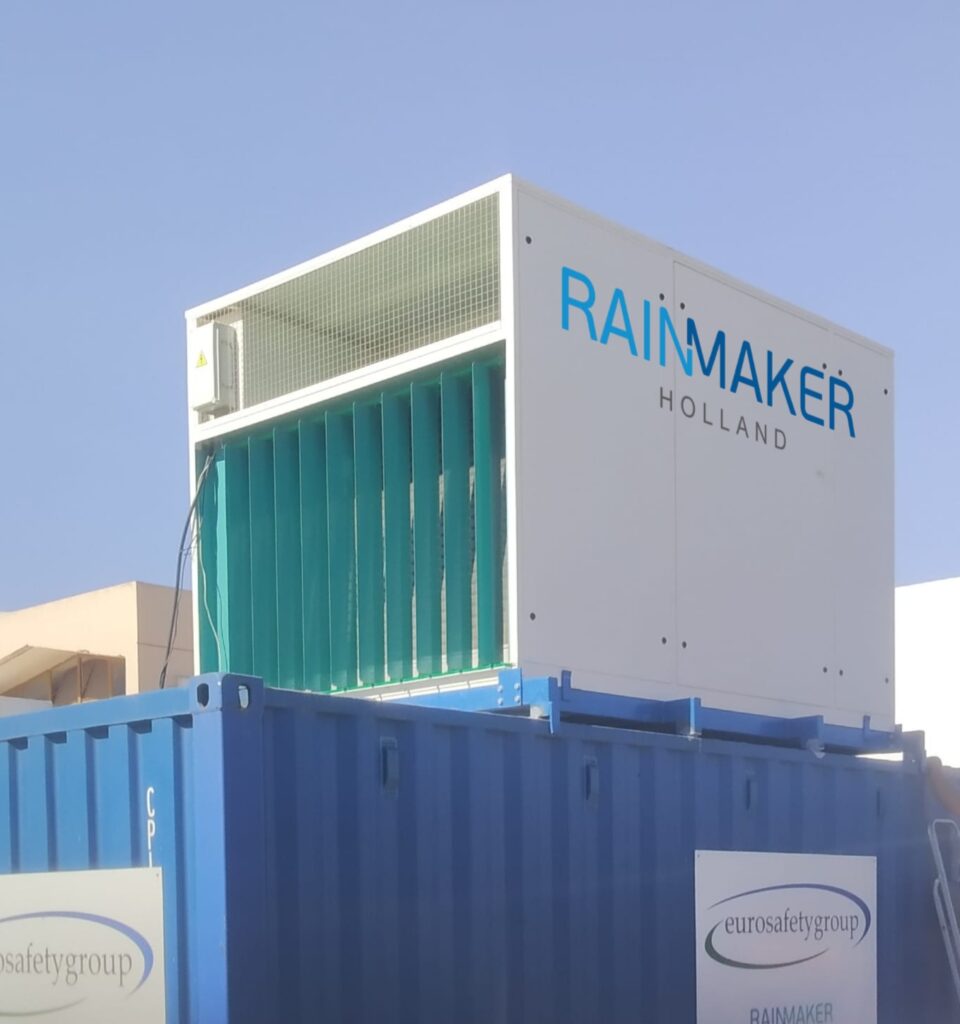
By producing water closer to where it is needed, alternative water solutions can help reduce the need for plastic packaging, transport and storage. This supports a more resilient and sustainable approach to clean water access.
Conclusion
Recent research found that bottled water can contain an average of around 240,000 detectable plastic particles per liter, with nanoplastics making up the large majority of those particles. The study also found that the amount can vary between samples and that multiple types of plastic may be present.
While the long-term health effects of microplastics and nanoplastics are still being studied, the findings highlight an important point: bottled water is not only a waste issue. It is also part of a wider conversation about water quality, packaging, supply chains and sustainability.
Reducing reliance on bottled water is not only about reducing visible plastic waste. It is about building a cleaner, smarter and more resilient approach to water access.