What Are the Sustainable Development Goals (SDGs)? A Focus on SDG 6: Clean Water and Sanitation
Rotterdam, February, 2026
The United Nations Sustainable Development Goals (SDGs) are a global framework designed to address some of the world’s most urgent challenges. From climate change to poverty, the SDGs provide a roadmap for creating a more sustainable future.
One of the most critical goals is SDG 6: Clean Water and Sanitation, which focuses on ensuring access to clean water for all. But what are the SDGs exactly, and why is clean water such a central issue?
What Are the SDGs?
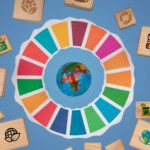
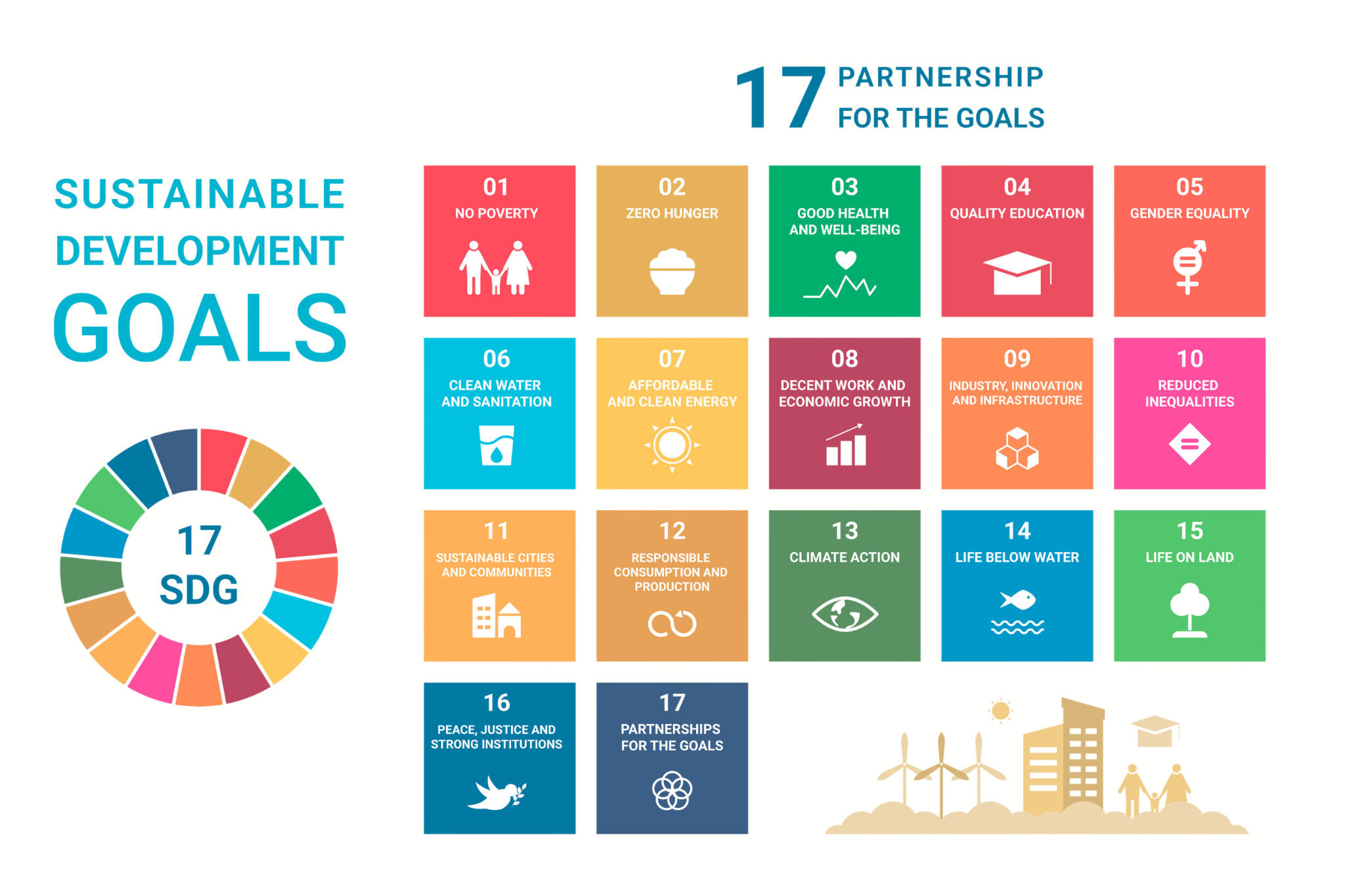
The Sustainable Development Goals are a set of 17 global goals established by the United Nations in 2015 as part of the 2030 Agenda for Sustainable Development. They aim to address interconnected global issues such as environmental sustainability, economic development, and social well-being.
The SDGs are designed to work together, as progress in one area often supports the others. For example, clean energy, climate action, and water management are closely linked.
Among these goals, SDG 6 plays a foundational role. Access to clean water is essential for health, economic development, and environmental sustainability, making it one of the most important components of the broader sustainability agenda.
What Is SDG 6: Clean Water and Sanitation?
SDG 6 focuses on ensuring access to safe and affordable drinking water for all, improving water quality, and promoting sustainable water management practices.
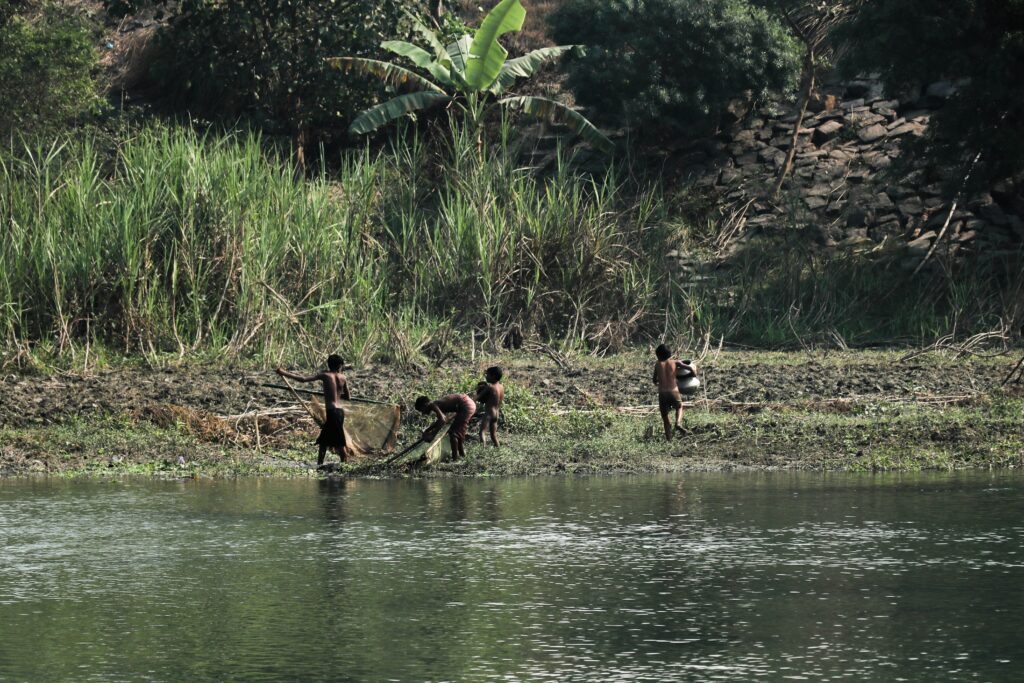
Despite global progress, significant challenges remain. Billions of people still lack access to safe drinking water, and water scarcity is affecting an increasing number of regions worldwide. In many areas, infrastructure is either insufficient or under pressure, limiting the reliability of water supply.
As awareness of these challenges grows, more people are searching for information about SDG 6 and the global water crisis, highlighting the importance of scalable and sustainable solutions.
Why Water Scarcity Is a Growing Global Challenge
The importance of SDG 6 continues to increase as global demand for water rises. Climate change is leading to more frequent droughts and unpredictable rainfall patterns, while population growth is placing additional pressure on already limited water resources. Urbanization and tourism are further increasing demand, particularly in coastal and water-stressed regions. At the same time, industrial activity requires large volumes of water, adding to the overall strain on supply systems.
These factors contribute to a growing global water crisis, making reliable access to clean drinking water more difficult in many parts of the world. As a result, interest in topics such as water scarcity and water supply solutions continues to grow.
Why Water Scarcity Is a Growing Global Challenge
The importance of SDG 6 continues to increase as global demand for water rises. Climate change is leading to more frequent droughts and unpredictable rainfall patterns, while population growth is placing additional pressure on already limited water resources. Urbanization and tourism are further increasing demand, particularly in coastal and water-stressed regions.
At the same time, industrial activity requires large volumes of water, adding to the overall strain on supply systems. These factors contribute to a growing global water crisis, making reliable access to clean drinking water more difficult in many parts of the world. As a result, interest in topics such as water scarcity and water supply solutions continues to grow.
The Role of Innovation in Achieving SDG 6
Addressing global water challenges requires more than traditional infrastructure alone. Alternative water solutions are becoming increasingly important in balancing supply and demand, particularly in regions where freshwater resources are limited or unreliable. Technologies such as water reuse and air-to-water systems are helping to create more reliable and sustainable sources of drinking water.
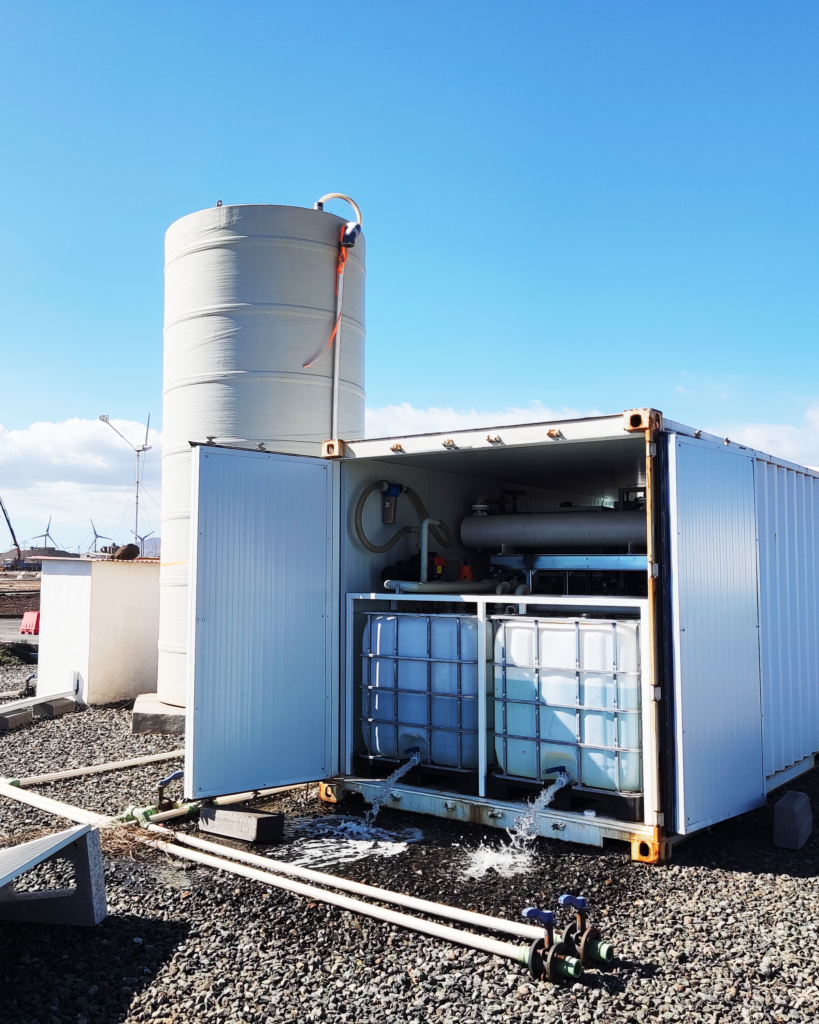
At Rainmaker Holland, the focus is on developing and deploying decentralized water solutions that generate drinking water on-site, directly where it is needed. By generating drinking water from local sources such as seawater, brackish water, or atmospheric humidity, these systems reduce reliance on centralized water infrastructure and offer a flexible solution for water-scarce and remote environments.
This approach improves reliability in remote, coastal, and high-demand locations, while supporting more resilient and sustainable water supply systems. In this way, innovative solutions play an important role in advancing progress toward SDG 6 and expanding access to clean water.
Conclusion: Why SDG 6 Matters for the Future
Understanding what SDG 6 is and why it matters is essential in addressing the global water crisis. Clean water is not only a basic human need, but also a critical factor in economic growth, public health, and environmental sustainability.
As water scarcity continues to increase, investing in innovative and scalable water solutions will be key to ensuring long-term access to clean drinking water. The Sustainable Development Goals provide a clear framework, but achieving them will require continued collaboration, innovation, and commitment across sectors.